2026-11-09 · Miguel Torres
How To Spot Irrigation Pipe Failures After Fresno Heat Waves
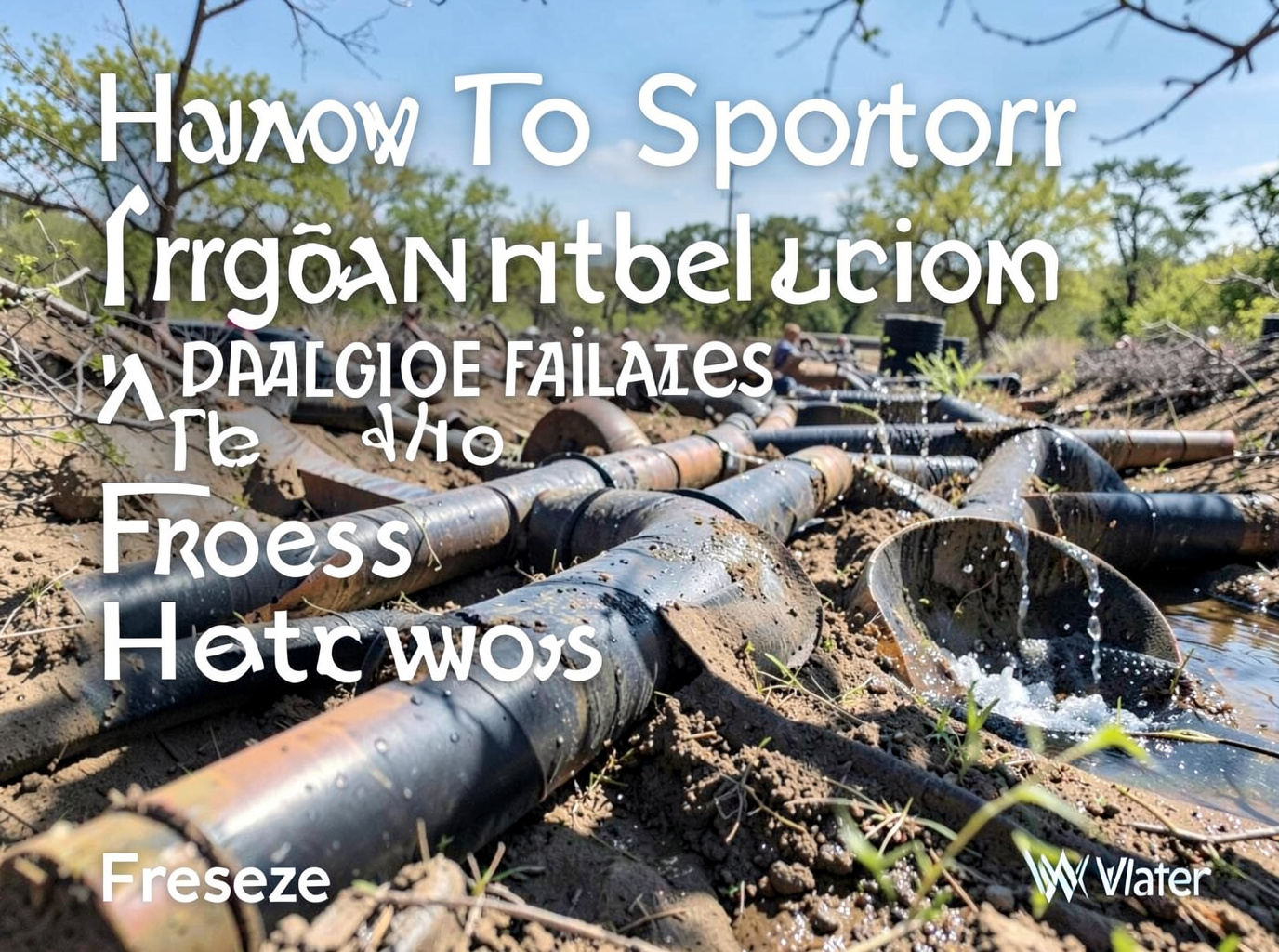
After Fresno heat waves push temperatures above 100 degrees for days, irrigation pipe failures typically show up as sudden wet patches in lawns or soggy soil along buried lines within 48 hours. These issues arise because the hot-summer Mediterranean climate causes rapid soil expansion and contraction around older PVC and poly pipes common in Fresno County homes.
How Fresno Heat Waves Stress Irrigation Pipes
Fresno summers regularly hit 105 degrees or higher, baking the ground in neighborhoods like Woodward Park and Downtown Fresno where many homes built before 1990 have rigid PVC lines installed 12 to 18 inches deep. The heat causes pipes to expand during the day and contract at night, creating hairline cracks at joints that worsen after repeated waves. Soil in the Central Valley shrinks as moisture evaporates, pulling on lines and exposing them to movement from nearby tree roots common around Tower District properties. Homeowners in Clovis often see failures first in systems serving front yards because afternoon sun hits those areas hardest. Checking pressure at multiple hose bibs after a heat wave reveals drops from 45 psi to below 30 psi when a main line cracks.
Visible Signs in Lawns and Landscaping
Look for circular or linear patches of greener grass that stay wet even after the system runs on its normal schedule, especially near sidewalks in Woodward Park. Soft spots that give way underfoot or small sinkholes forming along the irrigation route indicate water escaping underground from failed pipes. In Clovis yards, wilting plants on one side of the property while others thrive points to a break diverting flow. These patterns differ from normal sprinkler overspray because the moisture persists for days after the timer shuts off. Residents near Forestiere Underground Gardens report similar issues where shallow soil layers amplify ground movement during heat events.
Checking Water Pressure and Flow Patterns
Turn on each zone valve individually and measure how far the spray reaches compared to pre-heat wave performance; a 20 percent reduction often signals a downstream leak in lines serving Madera or Visalia-adjacent properties. Listen for hissing sounds near valve boxes in the early morning when pressure is highest. Low flow at multiple heads in one zone while others run normally points to a cracked lateral line rather than a clogged nozzle. Homeowners should test this the morning after a heat wave peaks, before the system runs again, to catch issues before they saturate foundations in older Tower District bungalows.
When to Call for Water Damage Assessment
If signs appear, contact a local team for water damage repair before moisture reaches crawl spaces or slabs common in Fresno County homes. Persistent wet soil after shutting off the main valve requires professional tracing to prevent mold in attics or walls. For properties in Clovis, schedule during business hours at 755 N Peach Ave Unit I5 to inspect lines before the next heat wave hits. Related seasonal risks appear in Winter Flooding Risks In Fresno Neighborhoods Near The Tower District when cracked irrigation lines interact with winter rains.
Preventing Further Issues After Detection
Shut off the irrigation main at the backflow preventer immediately upon noticing wet areas to limit saturation around footings in Downtown Fresno homes. Mark the wet zone with flags and avoid driving or walking over it until assessment. Document photos of the affected lawn sections and note which zones were running when the issue started. Many Clovis residents then schedule water damage restoration to dry soil and protect nearby structures before calling a plumber for pipe replacement.