2026-11-09 · Miguel Torres
Winter Flooding Risks In Fresno Neighborhoods Near The Tower District
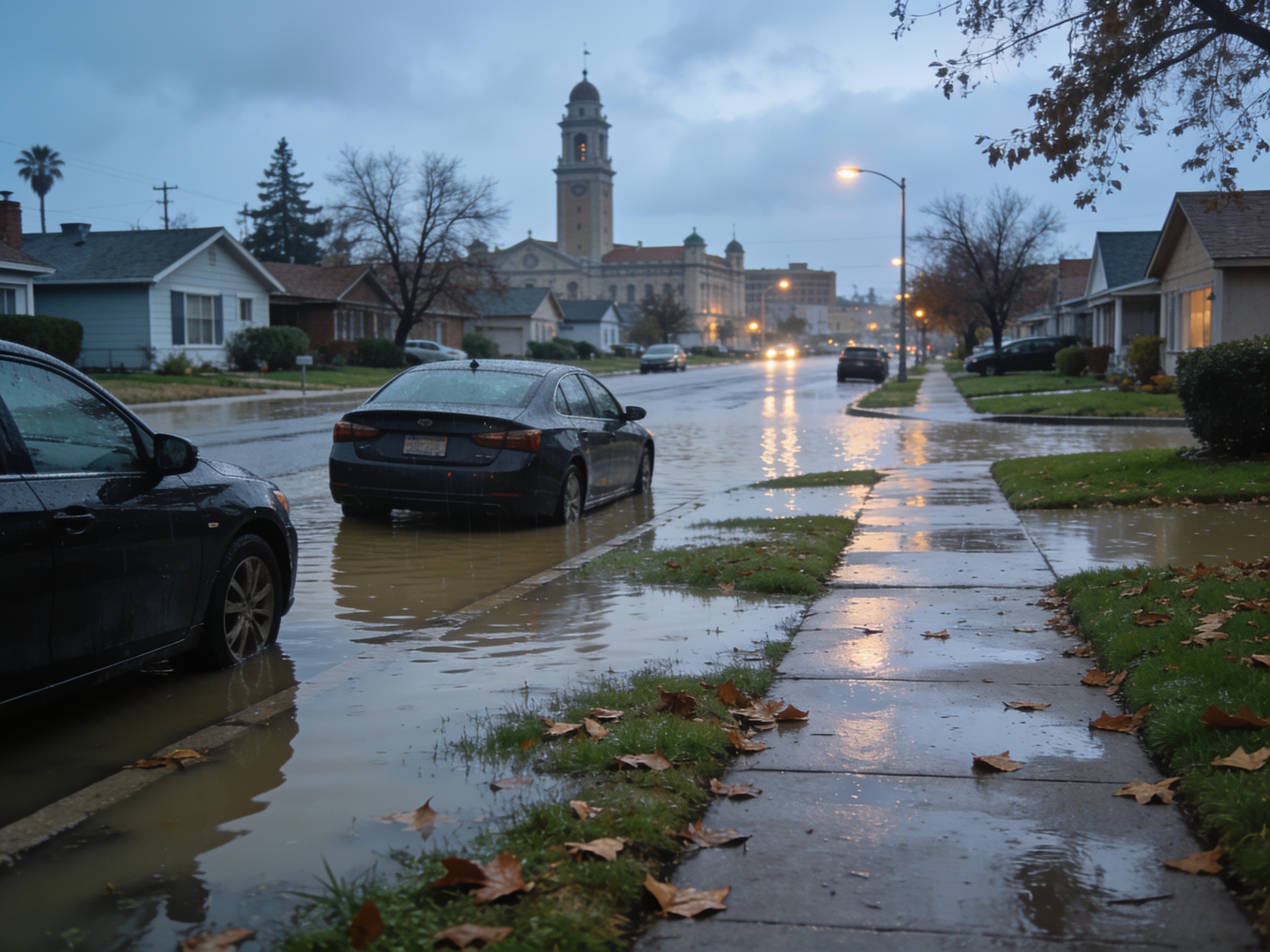
Winter flooding risks are highest in Fresno neighborhoods near the Tower District because older homes and flat terrain combine with seasonal rains to overwhelm drainage in Tower District, Downtown Fresno, and parts of Clovis. Properties built before modern codes often lack proper grading or updated gutters, so even moderate storms send water toward foundations and crawl spaces.
Storm Patterns and Local Terrain Effects
Fresno County sees most rainfall between November and March under its hot-summer Mediterranean climate. When Pacific storms stall, 1–3 inches can fall in a day, and low spots near the Tower District collect runoff from surrounding streets. Woodward Park areas with slight elevation changes drain better, but the flatter blocks around Tower Theatre and older Downtown Fresno blocks hold water longer. Irrigation lines installed decades ago sometimes crack under repeated wet-dry cycles, adding to surface flow during winter events. Residents in these zones notice standing water against garage slabs and porch steps within hours of sustained rain.
Older Housing Stock Vulnerabilities
Many homes near the Tower District date to the 1920s–1950s and feature raised foundations with limited waterproofing. Wooden sill plates and crawl spaces sit close to grade, so even 2–4 inches of ponding water reaches framing. Brick and stucco exteriors common in the area develop hairline cracks that let wind-driven rain enter wall cavities. Clovis homes built in the same era share similar issues, especially where original clay sewer lines have settled. These construction details turn routine winter rain into interior water damage faster than in newer subdivisions farther north.
Early Warning Signs During Winter Storms
Watch for water stains on ceilings near roof valleys and slow drains in basements after the first heavy rain. In Tower District bungalows, check exterior hose bibs and window wells for seepage once temperatures drop and rain persists. Attic inspections after Central Valley storms often reveal wind-driven rain entry points that later drip onto insulation. Checking Attics For Wind Driven Rain Leaks After Central Valley Storms outlines the exact steps to spot these leaks before they reach living spaces.
Immediate Response Steps
Shut off electricity to affected rooms and move furniture away from wet walls. Document water depth with photos before extraction begins. For properties in Fresno County, quick removal of standing water prevents mold growth within 24–48 hours. Water Damage Restoration crews familiar with local soil types know how to dry clay-heavy crawl spaces without driving moisture deeper into subfloors. Water Damage Repair work then focuses on replacing saturated drywall and treating affected framing.
Long-Term Prevention for Tower District Homes
Re-grade soil 6–8 inches away from foundations and install French drains where downspouts empty near the house. Replace old galvanized gutters with 5-inch seamless versions sized for Central Valley storm volumes. In Clovis and adjacent Fresno blocks, adding battery backup sump pumps protects against power outages during prolonged winter rains. Regular checks of irrigation valves before November reduce the chance of pipe failures compounding storm runoff, as covered in related guidance on How To Spot Irrigation Pipe Failures After Fresno Heat Waves.